
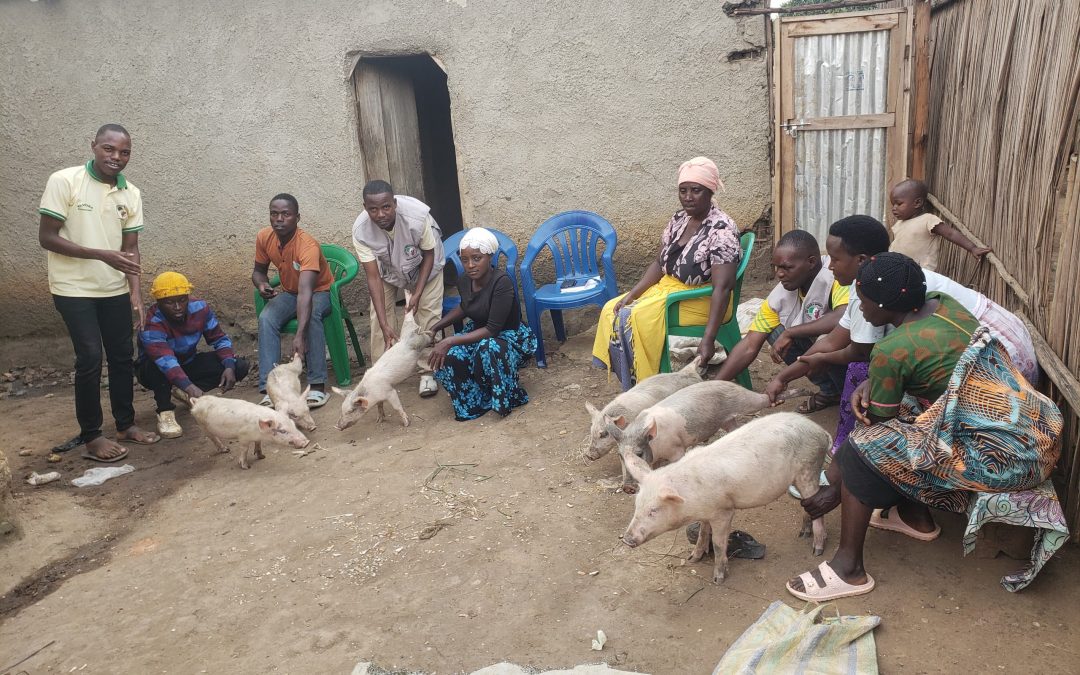
From trauma to limited access to education and jobs, refugees face challenges – but also show resilience, adaptability and a desire to improve their circumstances.
There are over 36 million refugees worldwide, as well as approximately 70 million more people internally displaced (IDPs) within their countries’ borders due to violence or droughts, floods and other climate-related problems. Host communities feel stresses from the influx of refugees and IDPs, who may drain local resources such as water, food and jobs. Displaced people – whether inside or outside their countries – face stresses from their lack of documentation, limited access to markets, lack of land ownership and problems accessing capital and other financial systems. Both refugee and host communities may experience culture shock when interacting with each other.
In my conversations with three refugees who represent refugee-led organizations in East Africa, they mentioned common themes regarding the challenges of being a refugee and the strengths refugees have.
I’m impressed by what they do and want to give a spotlight to what their organizations achieve and why refugees should be viewed as assets rather than local burdens.
Here are the three community leaders:
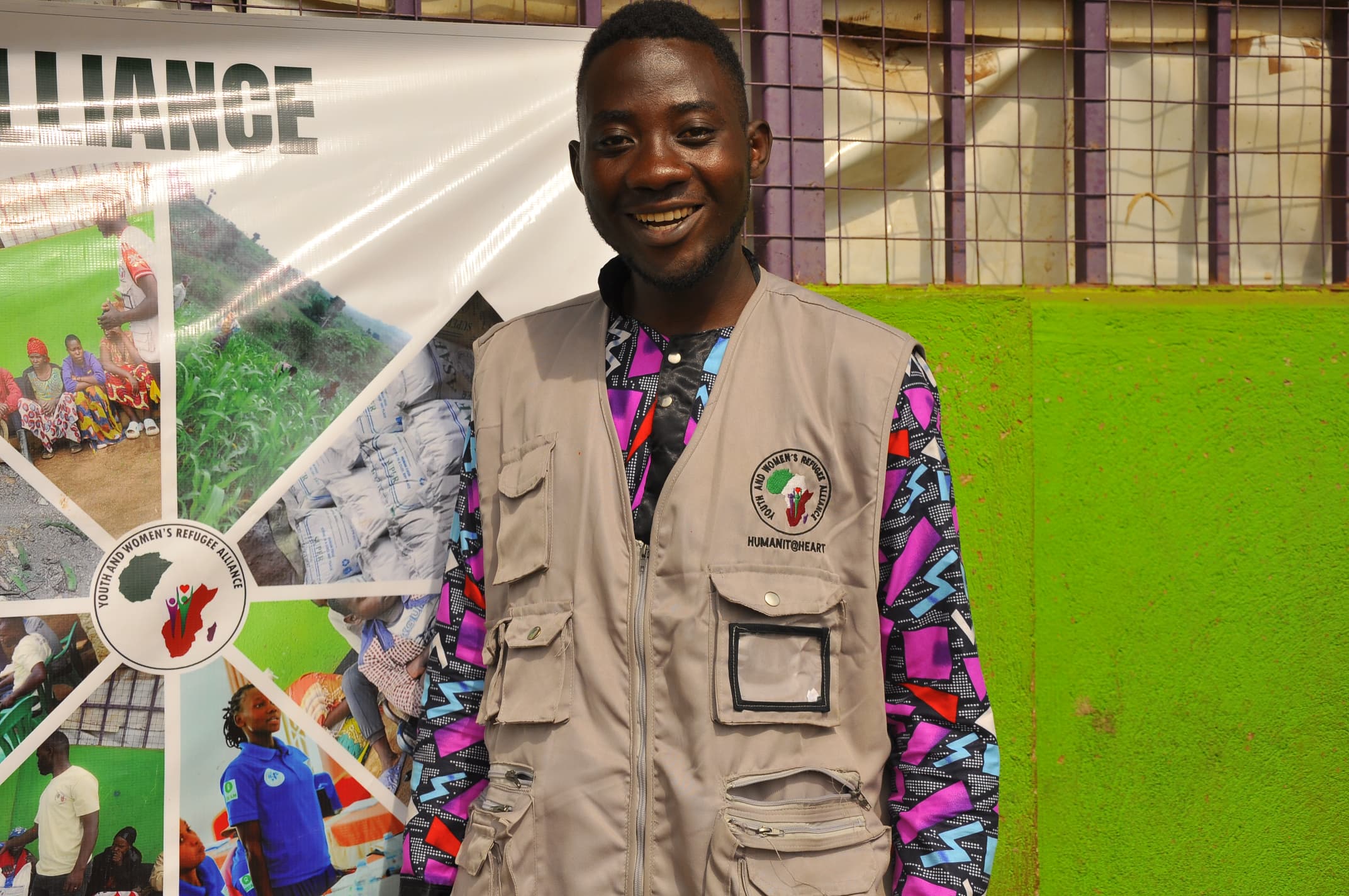
Sadaka Ruboneza, Founder and Programs Director at YAWORA Foundation, Kyaka II Refugee Settlement in Uganda
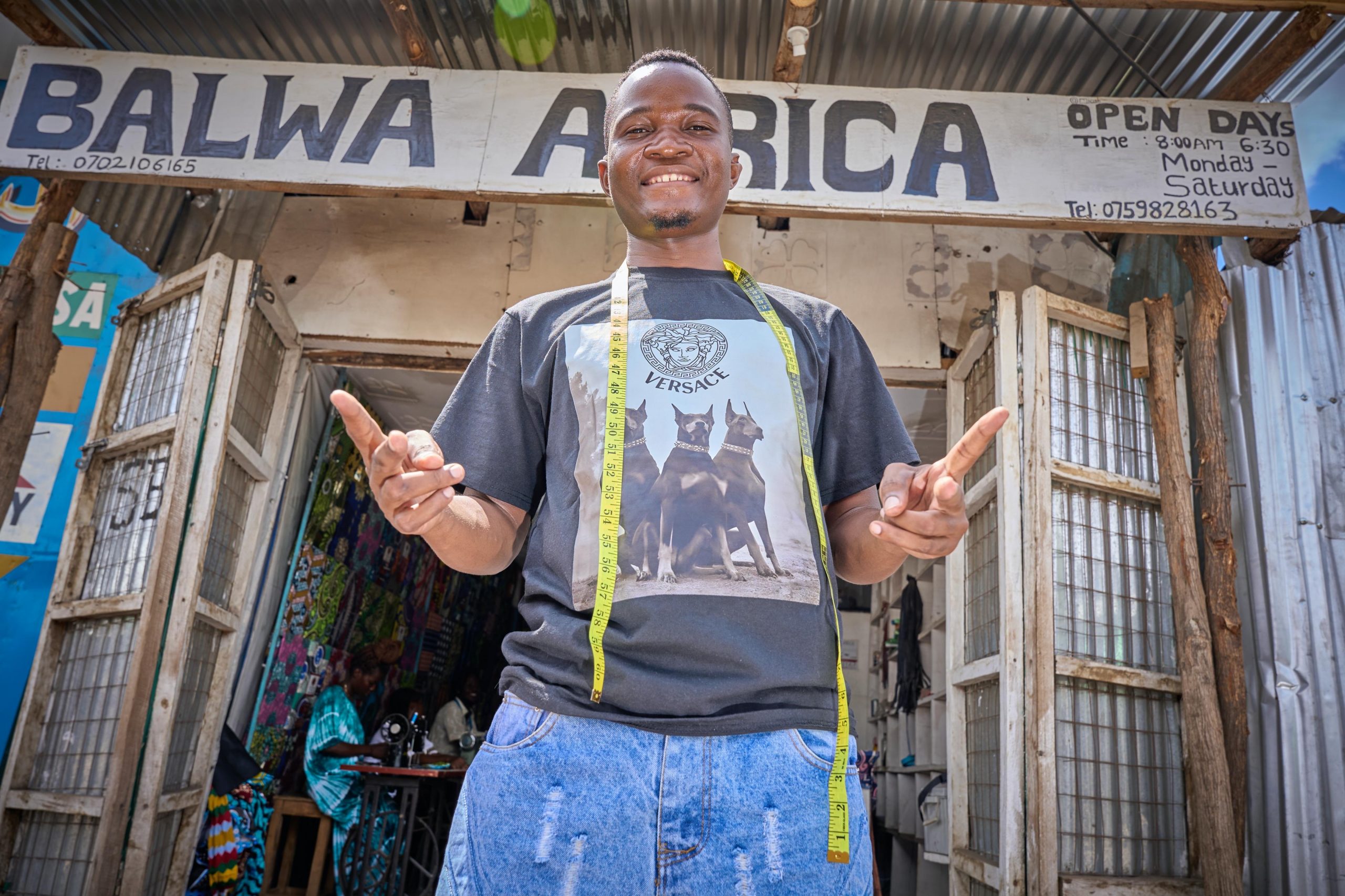
Samson Alex Mlinda, Found of Balwa Africa Enterprise from the Kakuma Refugee Camp in Kenya
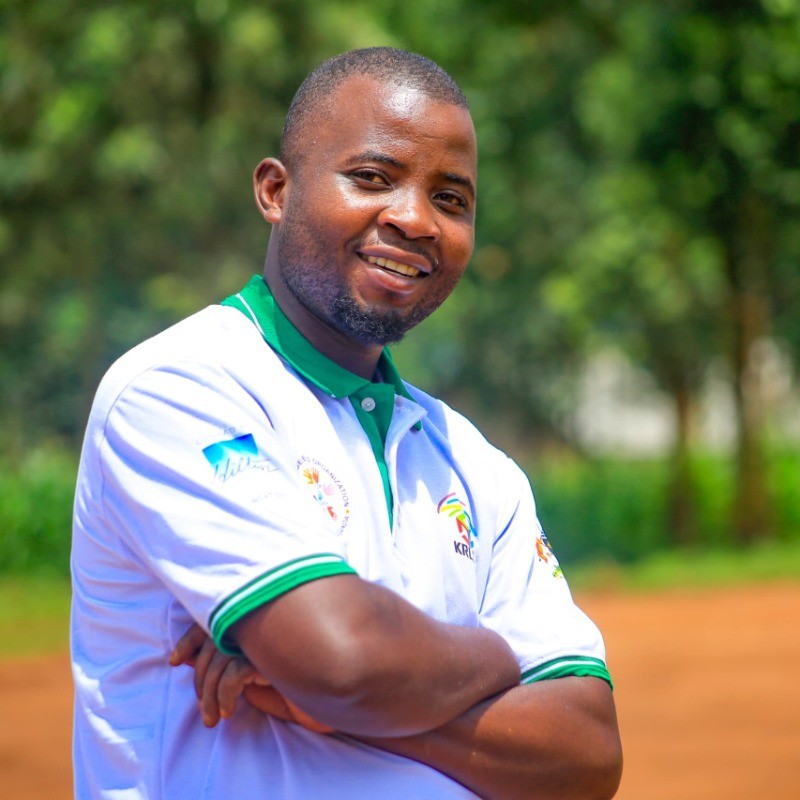
Mutabazi Eliya, Co-Founder & Program Manager from the Refugee Empowerment for Sustainable Development Africa (RESDA AFRICA) in the Kyaka II Refugee Settlement in Uganda
A little about their organizations
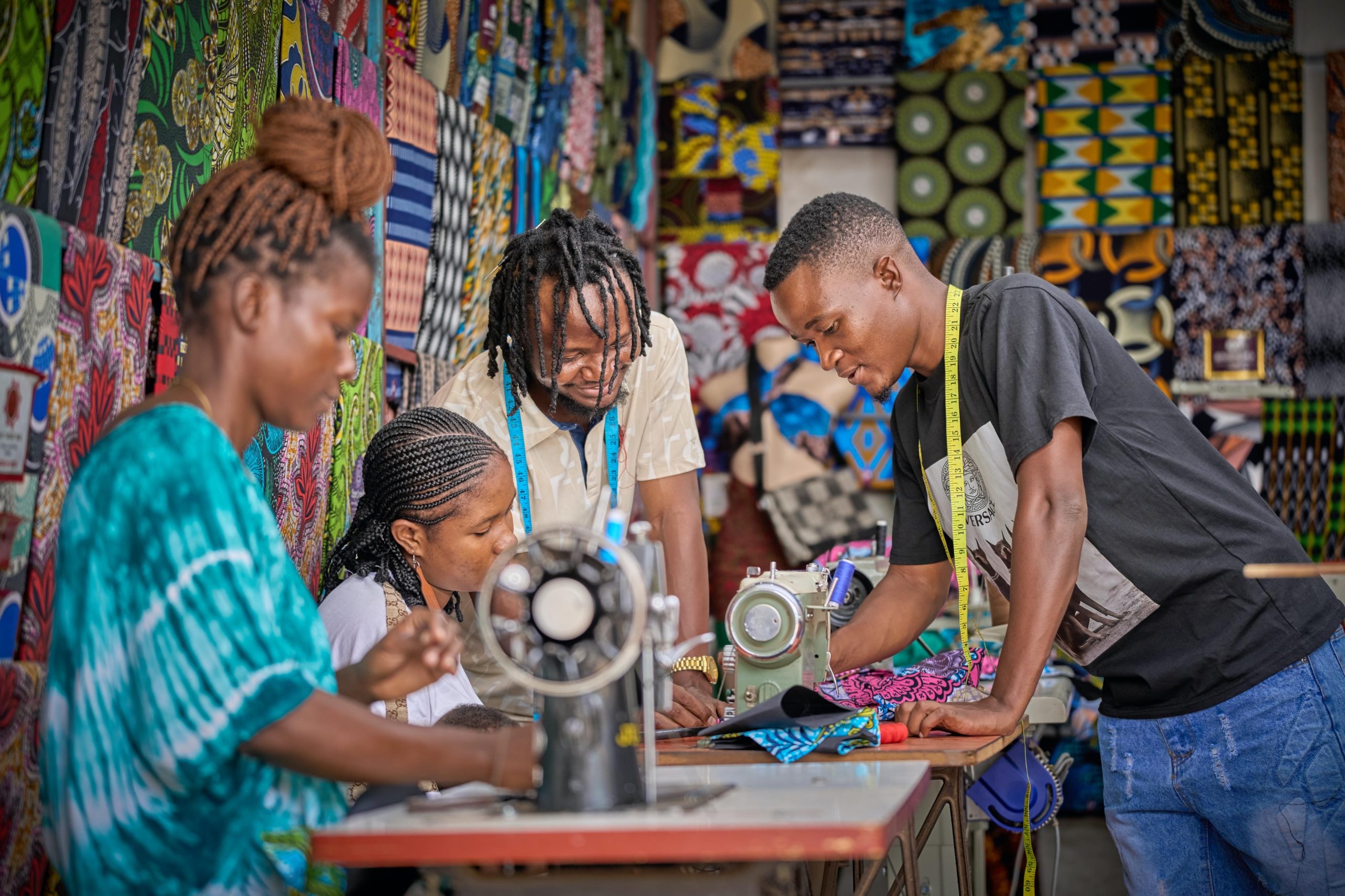
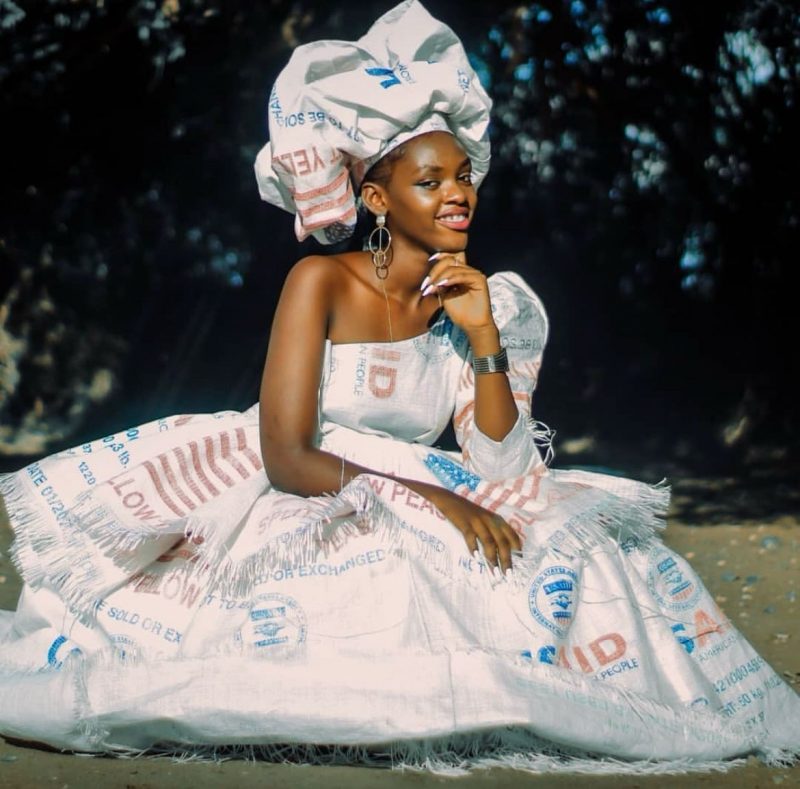
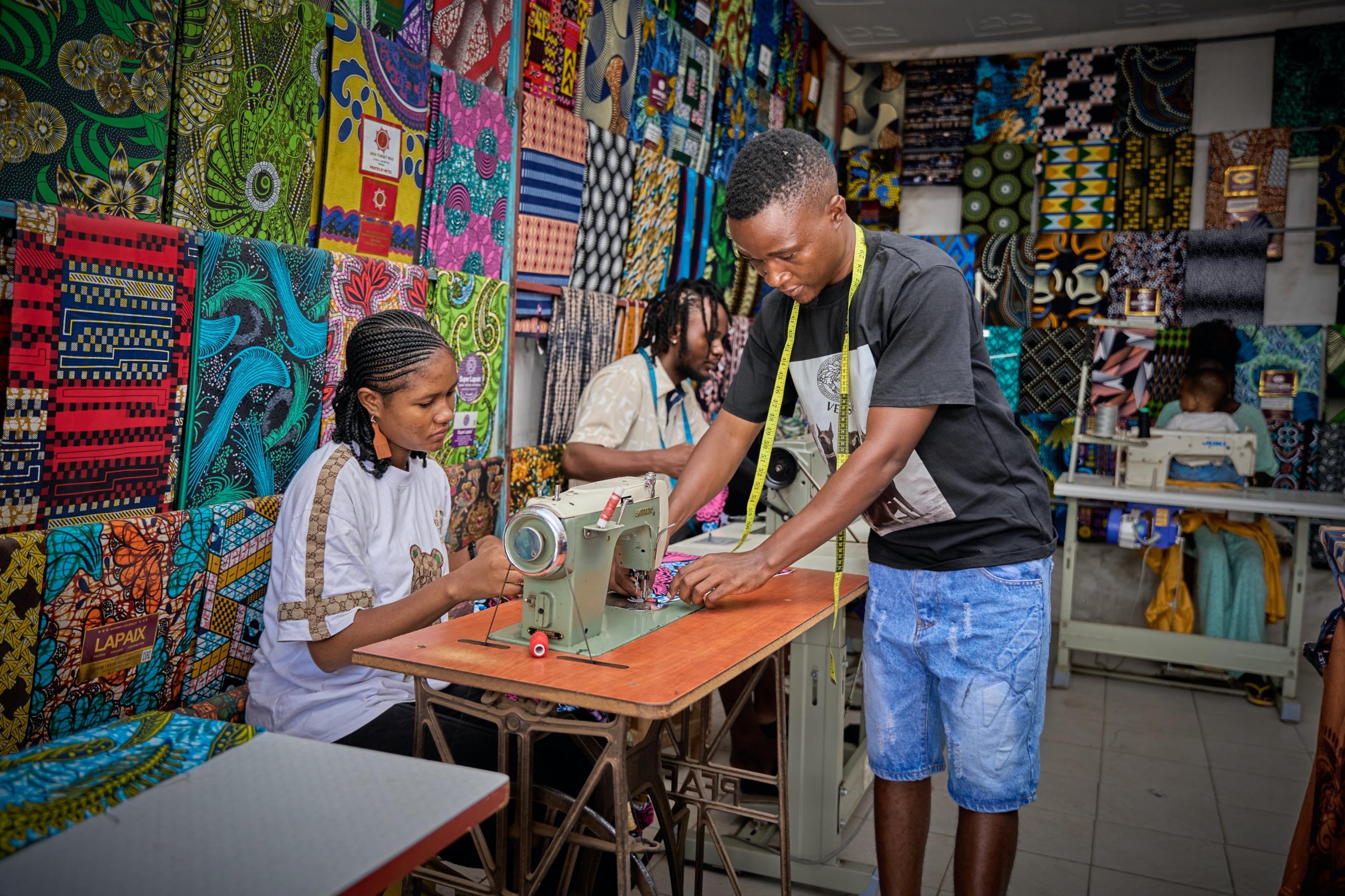
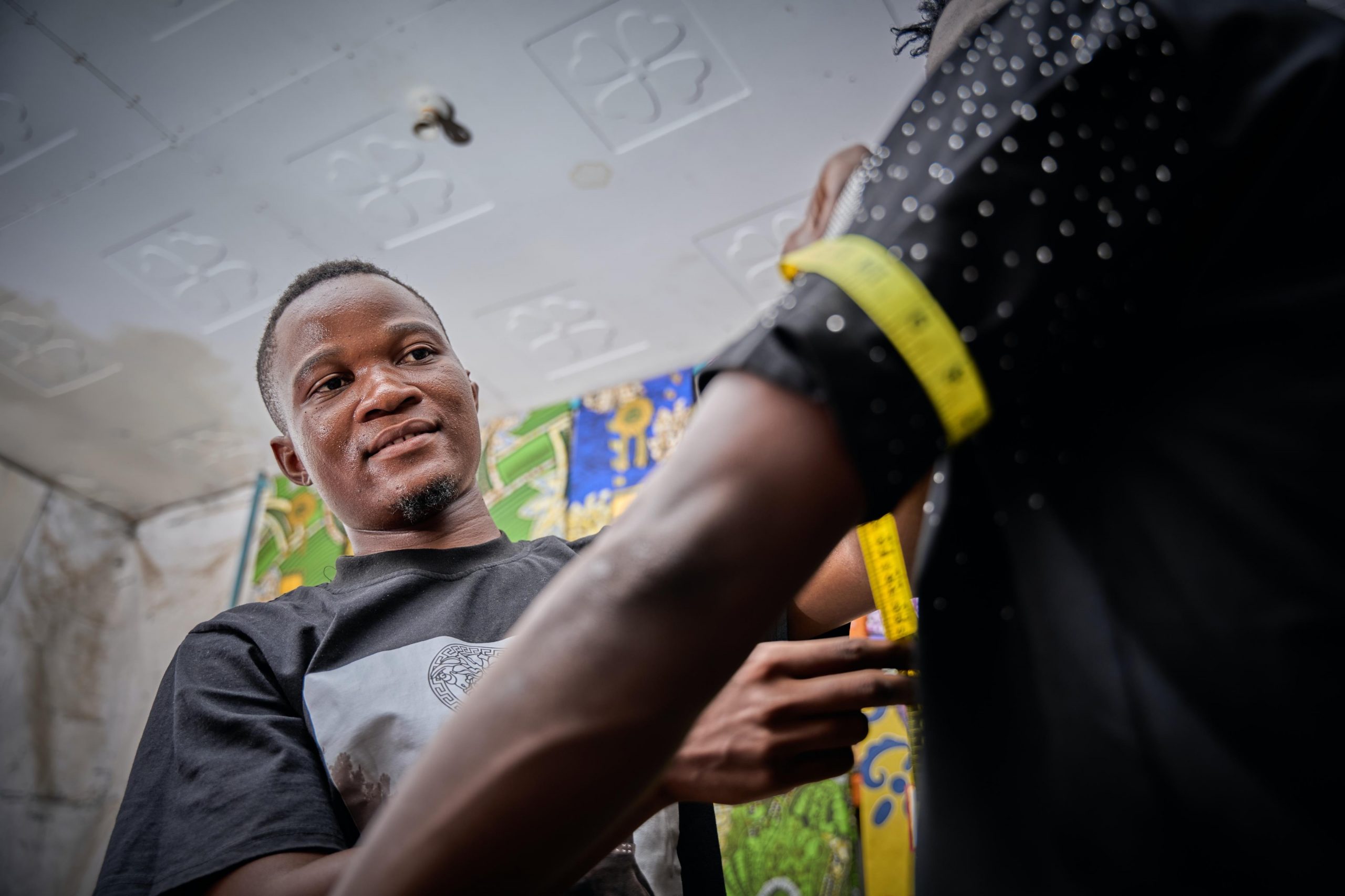
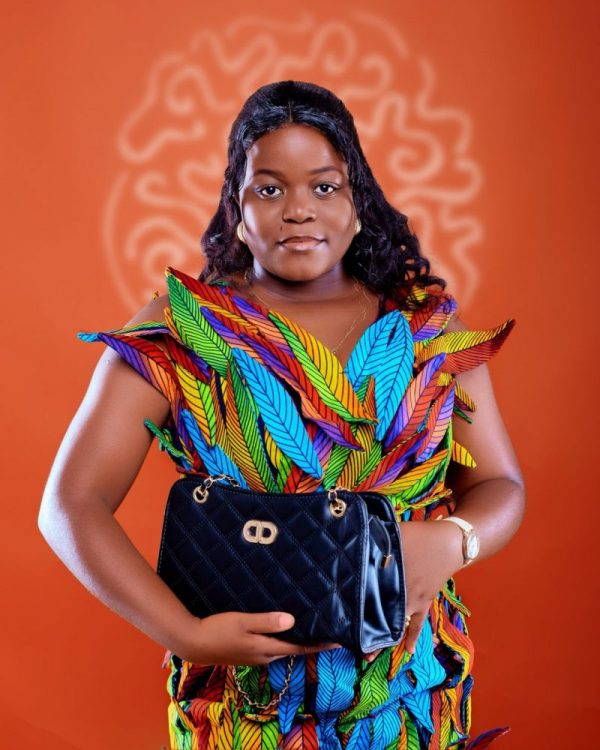
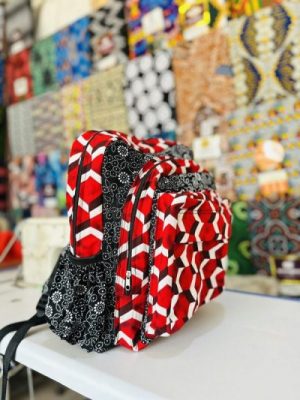
Balwa Africa Enterprise is a refugee-led enterprise that uses fashion and creative production to support refugees, especially women and youth, to earn income and build skills.
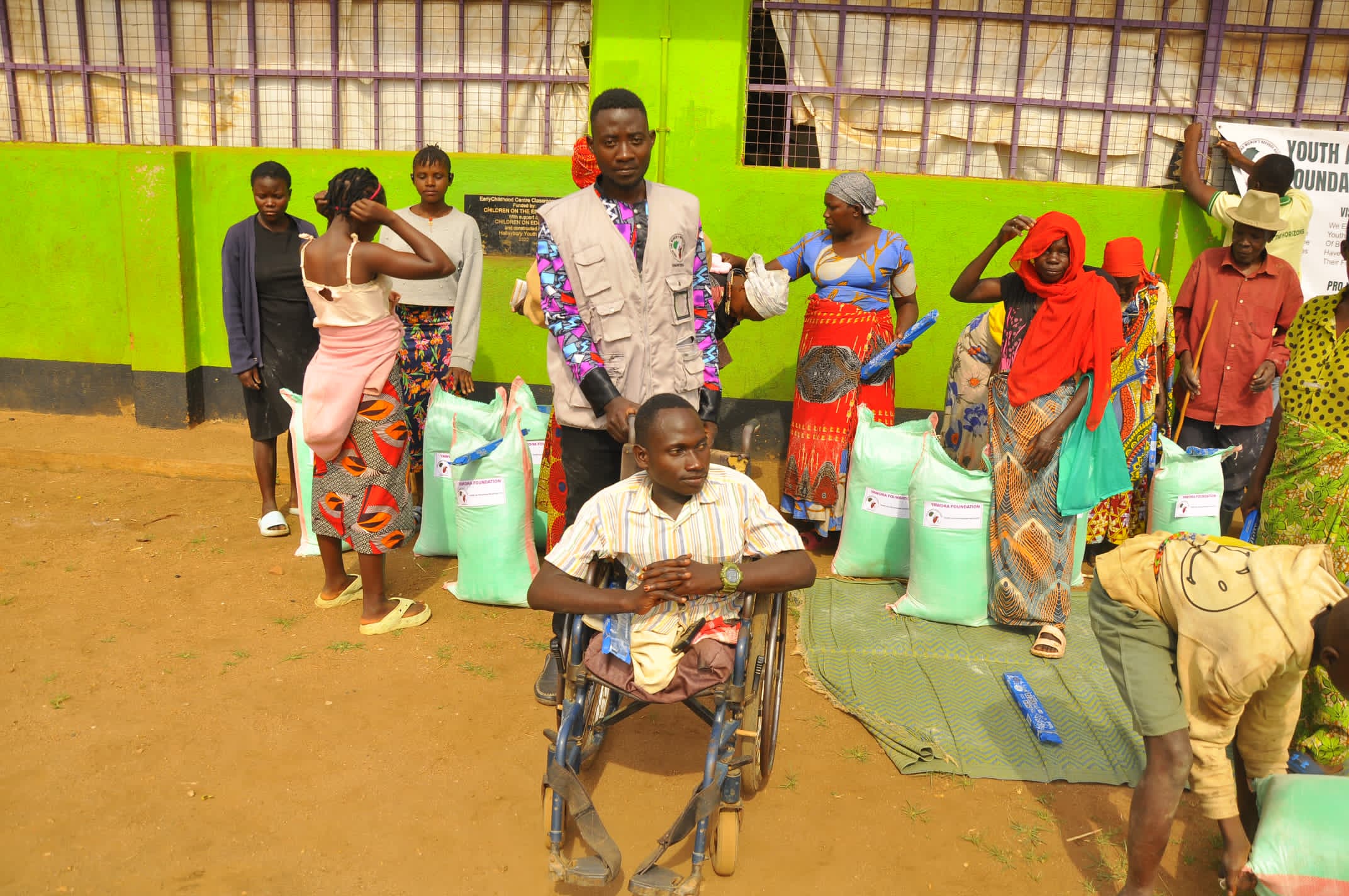
YAWORA Foundation focuses on livelihood projects that empower refugees and host communities through skills training, income‑generating activities, and resource access, aiming to enhance self‑reliance and sustainable development.
RESDA AFRICA is a refugee-led, community-based nonprofit organization founded in 2020 that works with refugees and host communities to promote self-reliance, peace, and sustainable development through livelihoods and entrepreneurship, vocational skills training, agriculture, early childhood education, women and youth empowerment, and humanitarian response. Our work is community-led, ensuring that refugees are active leaders and decision-makers in designing and implementing solutions.
Now here are their stories, in their own words.
What challenges do refugees face?
Mutabazi: Refugees face complex challenges including limited access to education, employment opportunities, capital, and markets; food insecurity and land constraints; trauma from conflict and displacement; legal and documentation barriers; and social exclusion. Women, girls, and youth are often the most affected, experiencing higher risks of poverty, early pregnancy, gender-based violence, and long-term unemployment.
Samson: Refugees face many challenges, including limited access to jobs, education, and markets. Legal restrictions, lack of documentation, and limited movement make it hard to grow businesses or find stable work. Many refugees also deal with trauma from displacement and are often seen only as people in need, rather than as people with skills and ideas.
Sadaka: Refugees in Kyaka II encounter limited access to formal employment, insufficient basic services (health, education), restricted land and financial resources, cultural adjustment difficulties, and psychological trauma from displacement, all of which hinder their ability to rebuild livelihoods.
What strengths do refugees bring?
Samson: Refugees are resilient, adaptable, and creative. Because they must survive in difficult conditions, many learn how to solve problems, start small businesses, and work with very limited resources. Refugees also bring strong cultural knowledge, practical skills, and a strong desire to improve their lives and support their communities when given the chance.
Sadaka: Refugees contribute resilience, diverse skills (agriculture, crafts, entrepreneurship), strong community networks, and motivation to innovate, which enable them to adapt livelihood strategies and drive community development despite constraints.
Mutabazi: Refugees bring resilience, creativity, and strong survival skills shaped by lived experience. Many possess practical skills, entrepreneurial spirit, cultural diversity, and a deep sense of solidarity and mutual support. Despite limited resources, refugees continuously innovate—starting small businesses, forming savings groups, and developing local solutions to improve their lives.
Again – notice the similar themes?
Refugees are not passive beneficiaries, but problem-solvers and innovators.
More about Samson and Balwa Africa Enterprise
Through Balwa Africa Enterprise, I have seen that when refugees are given access to skills training, fair markets, and trust, they can create sustainable livelihoods for themselves and others. Refugees do not want to depend on aid forever; they want opportunities to work, create, and contribute. Supporting refugee-led enterprises is one of the most effective ways to help refugees improve their lives and build stronger communities.
My work is shaped by lived experience of displacement and starting over. Like many refugees, I have faced uncertainty, failed plans, and moments where survival came before ambition. Resilience, for me, has not been about dramatic breakthroughs, but about continuing to move forward, adapting when opportunities fall away and learning from setbacks instead of stopping.
I built Balwa Africa Enterprise without capital or infrastructure, starting instead with people. Within refugee and host communities, I saw talent and creativity that lacked opportunity. We began small shared tools, basic training, and trust. The goal was simple: create dignified, income generating work where people could rely on their skills rather than aid.
One of the most powerful successes I’ve seen was a young woman who joined with strong sewing skills but little confidence. Through producing and selling her work, she grew into a trainer and leader, mentoring others and negotiating for herself. Her transformation reminded me that economic opportunity also builds confidence and agency.
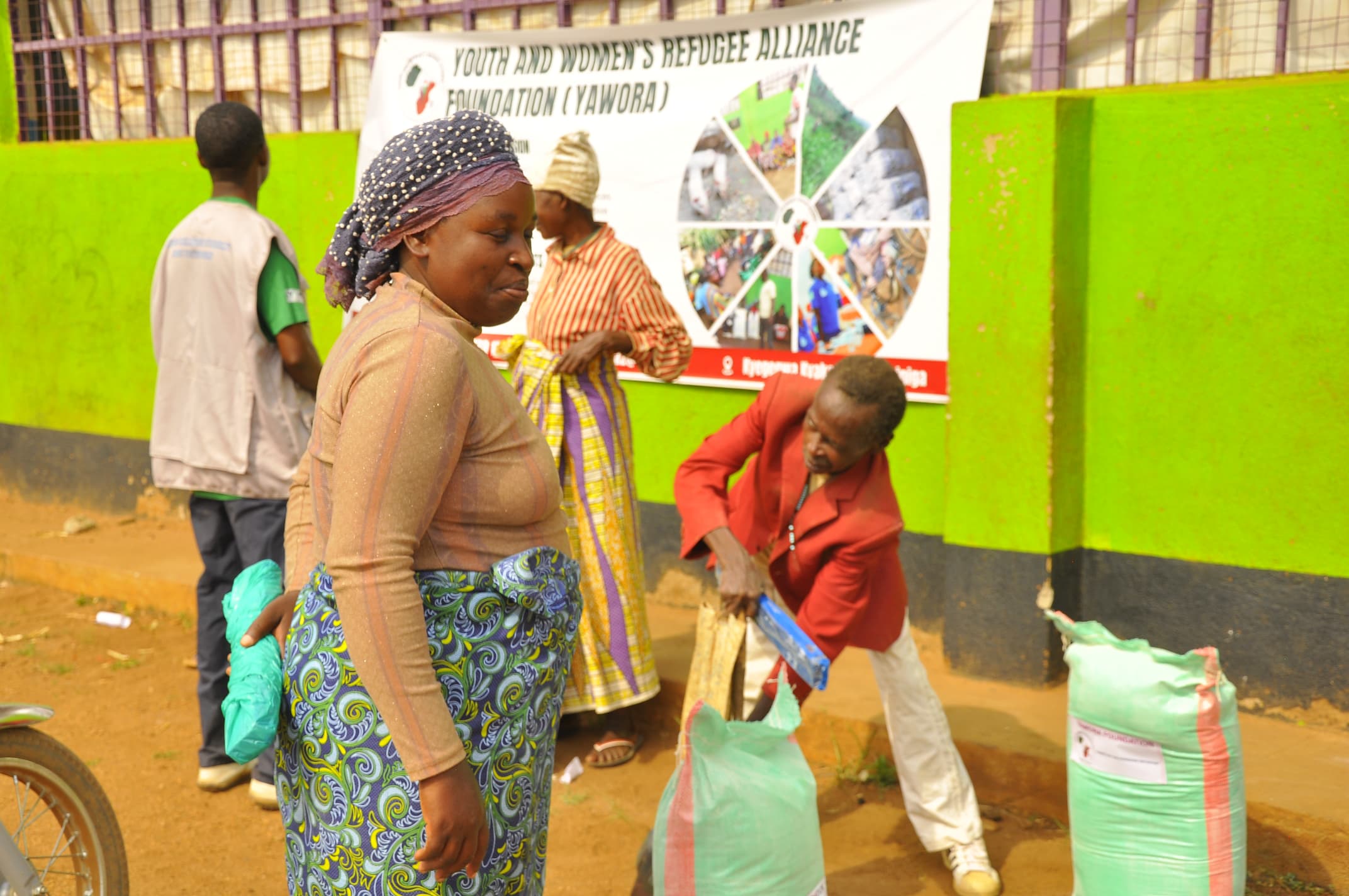
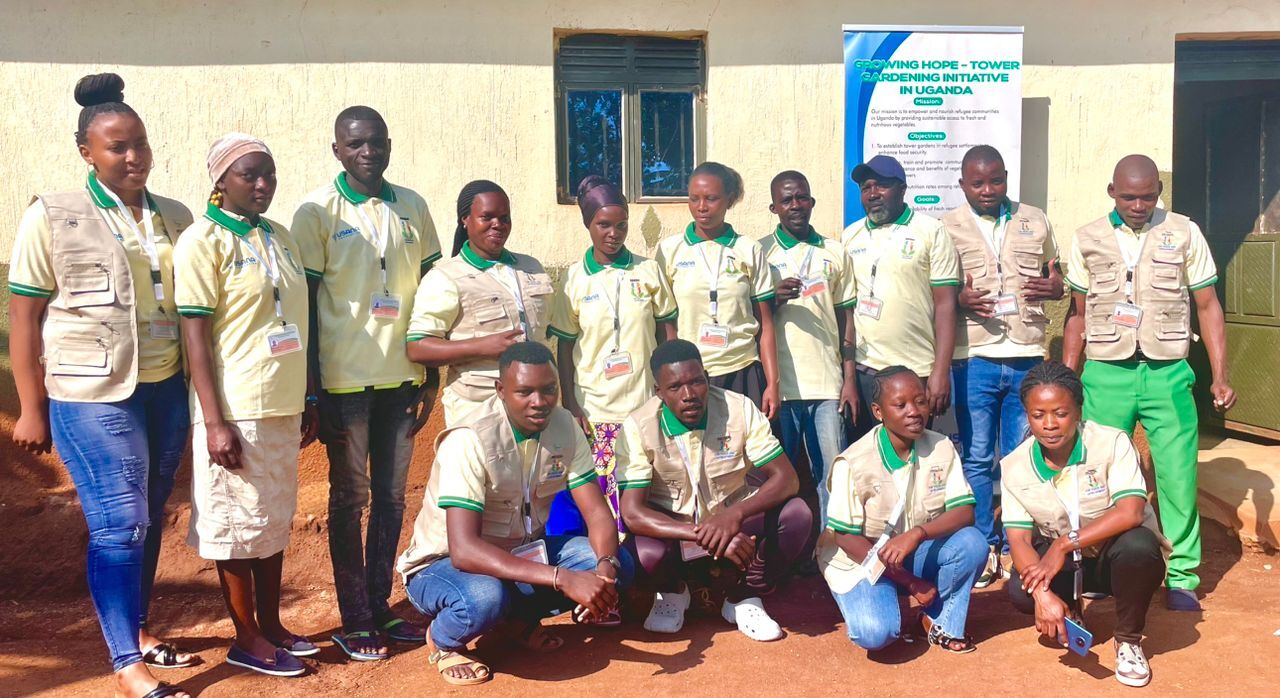
Refugees create long lasting impact if the projects are directly monitored and implemented by them.
More about Sadaka and YAWORA Foundation
Empowering refugees through targeted livelihood projects like those of YAWORA Foundation not only improves individual economic status but also fosters social cohesion with host communities, promotes sustainable use of local resources, and encourages knowledge sharing that benefits overall settlement development.
When funds were low, our members didn’t just raise money—they also rolled up their sleeves and volunteered extra time for fundraising events (craft fairs, community bake‑sales) and project implementation. Their willingness to give unpaid hours kept programs running and proved that collective grit and volunteerism can turn tough times into opportunities, making the organization resilient even with scarce resources.
Some of our projects:
Hope on the Horizons – Our monthly feeding program for Persons with Specific Needs (PSNs) and mother‑headed families is run by a team of volunteer and nutrition advisors from the membership. A beneficiary said the meals boosted her kids’ school attendance by 80%.
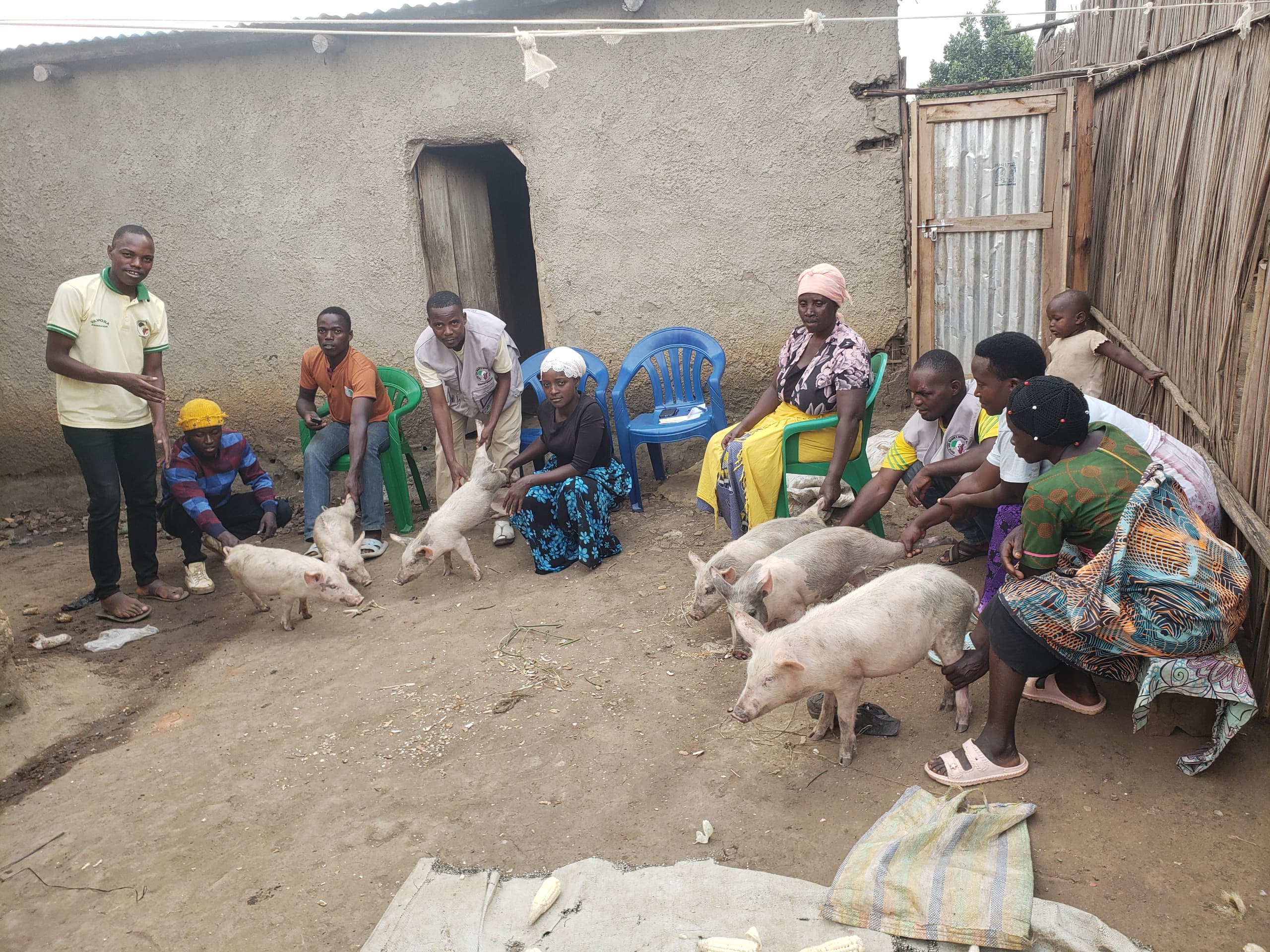
Piggery Project – Members volunteer to monitor piglet health and train recipients. Every three months we hand over three piglets. One family received theirs, and with volunteer‑guided care, they sold offspring to buy a vegetable plot. The project sparked a pig‑rearing coop supported by 15 households, all mentored by volunteer experts.
Thrive Together Initiative – Volunteer facilitators from YAWORA run financial literacy workshops and Village Savings & Loan Assoication (VSLA) sessions. One young widow used the training to start a soap‑making business. VSLA loans (managed by volunteer admins) helped her expand, now employing three women and raising her income by 150%.
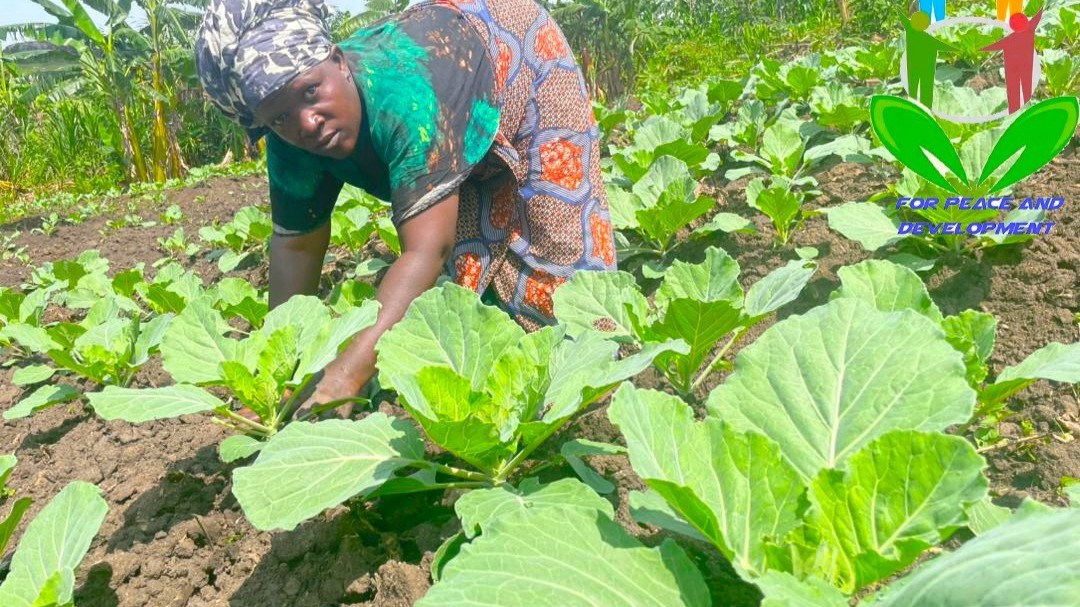
Smart Agriculture – Volunteer agrists teach sustainable farming on tiny land parcels. One man applied the techniques on his 0.2‑acre plot, creating a thriving vegetable garden that funded his children’s primary education. Volunteers also organize field days to share best practices.
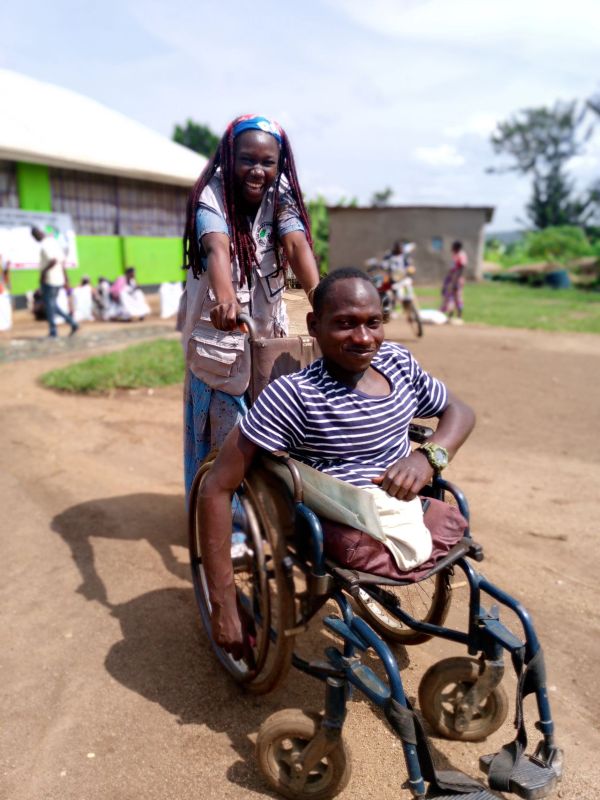
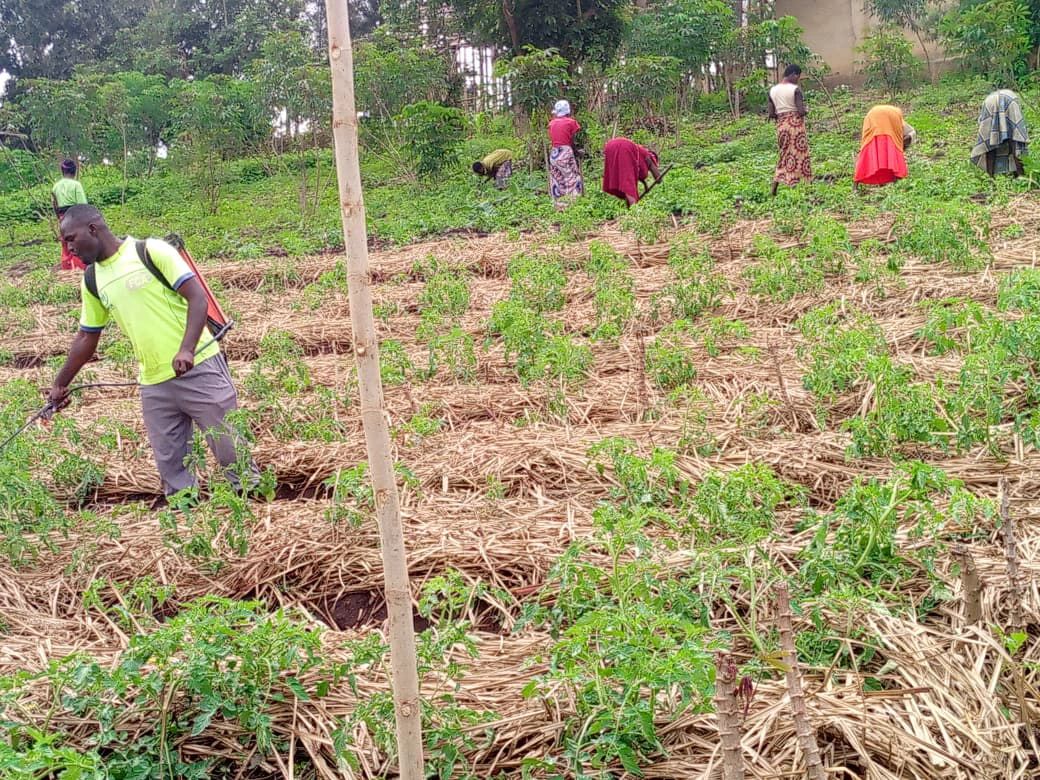
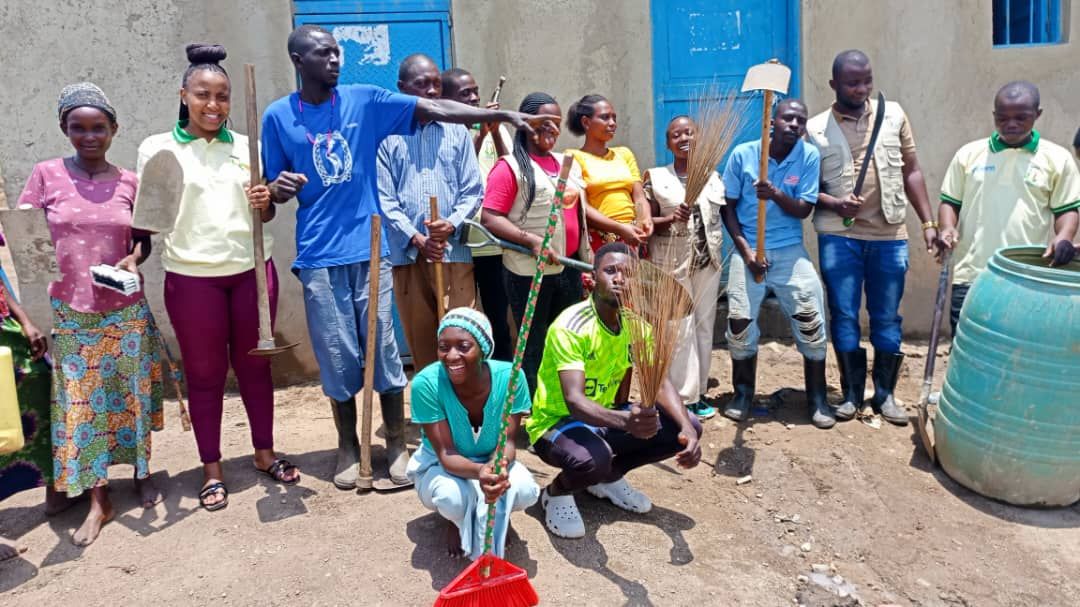
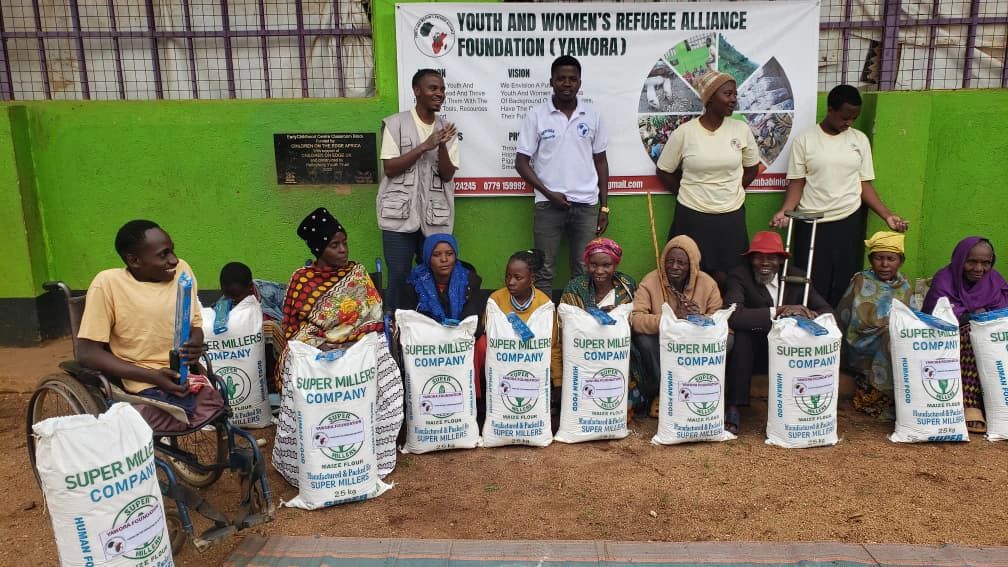
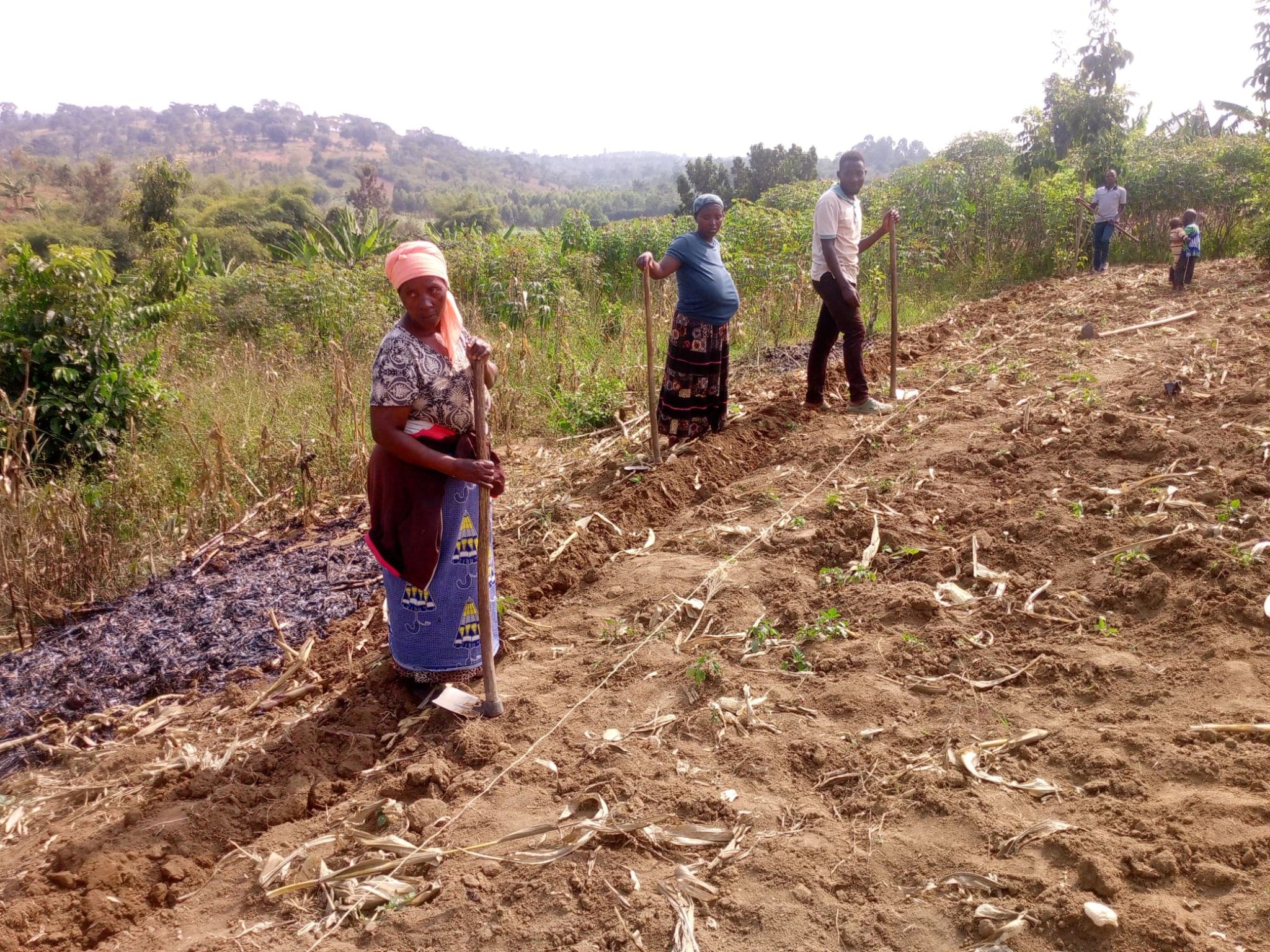
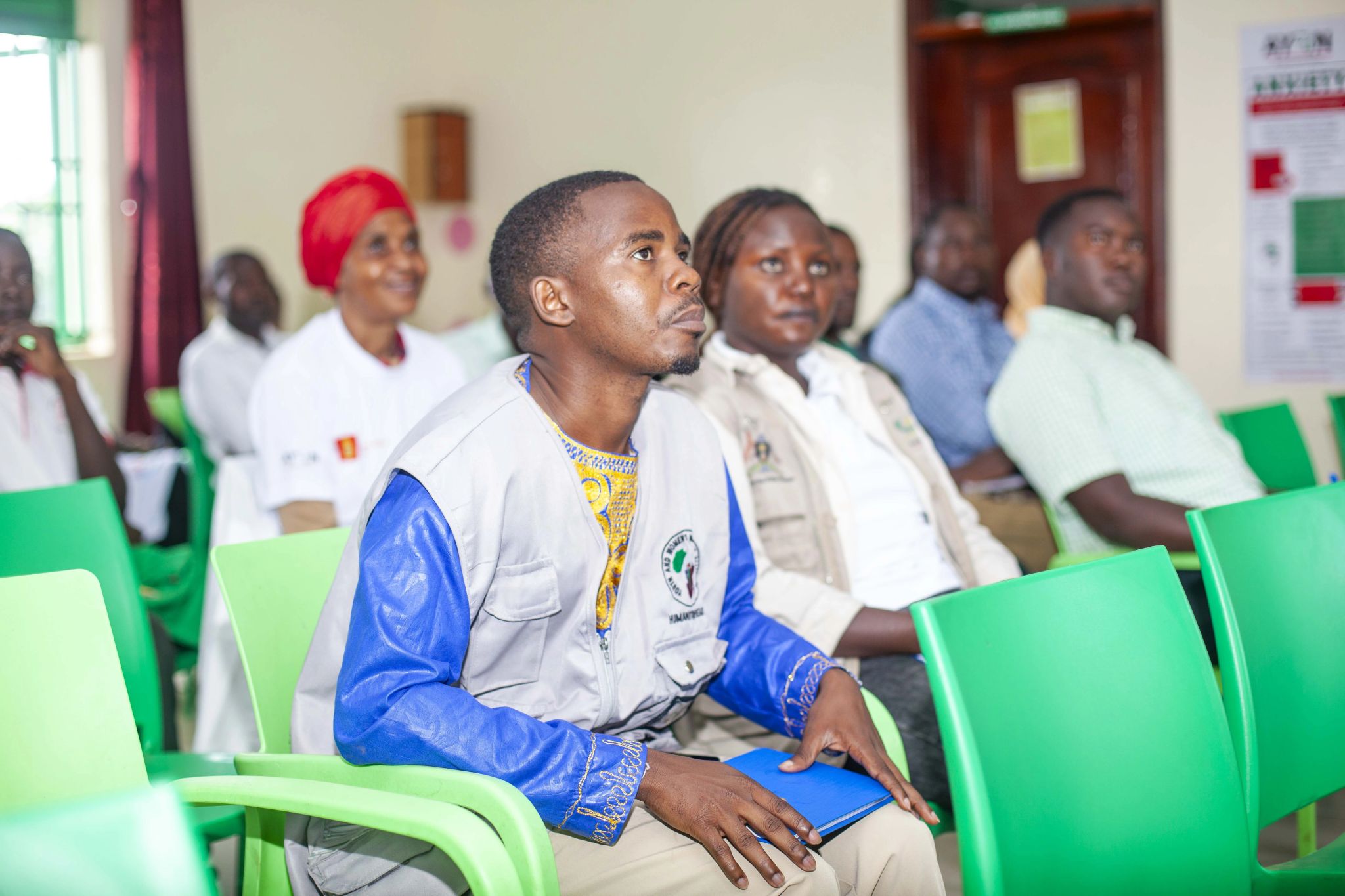
Refugees are not passive recipients of aid; they are active agents of change.
More about Mutabazi and RESDA AFRICA
When given access to skills, resources, and decision-making spaces, refugees can build sustainable livelihoods and contribute positively to host communities.
Some examples of RESDA’s success:
A group of young refugee women participated in our vocational skills training in tailoring and hairdressing then formed a small savings group and opened shared workspaces within the settlement. Today, they earn daily income by sewing school uniforms and offering salon services to both refugees and host community members. Several of them are now able to pay school fees for their children and contribute to household expenses—something they could not do before.
In our agriculture programs, we support refugees facing severe land shortages by introducing climate-smart practices such as kitchen gardens, tower gardening, and improved seed use. One refugee household that previously relied entirely on food assistance now grows vegetables year-round on a very small plot. The family not only improved their nutrition but also sells surplus vegetables in the local market, generating income and reducing dependence on aid.
Another powerful example comes from our entrepreneurship and youth livelihood initiatives. After receiving basic business skills training and mentorship, some refugee youth started small businesses such as phone repair kiosks, poultry rearing, and small retail shops. These businesses may seem modest, but they provide dignity, purpose, and stability. Several youth now employ peers, showing how refugee-led solutions can multiply impact within the community.
Final thoughts
I have been wanting to write this blog since I talked with a refugee camp organizer a few years ago. As a professional who consults to NGOs, I stressed that his organization needed a website to legitimize their work to funders. He replied that they were trying to raise the money needed for the website – $30. Pocket change for us in the West, with comfortable incomes; a struggle for his organization to procure.
The work of Samson, Mutabazi, Sadaka and other refugees impresses and amazes me. Their strength, resilience, dignity and drive to succeed, managing in very difficult circumstances to not only help themselves, but make their communities more economically independent. As all three of the people highlighted here stressed: Refugees bring so many strengths, including problem-solving, collaboration within the community and creativity. They are assets, eager to make better lives for themselves.
I urge you to learn more, including by following them on LinkedIn.
https://www.linkedin.com/company/balwa-africa-entreprise/
https://www.linkedin.com/company/resda-africa/
https://www.linkedin.com/company/youth-and-womens-refugee-alliance-foundation/
this is true. they sacrifice for others to live
This is a very powerful and important article. As someone living with refugee status in Uganda, I deeply relate to the experiences described here. Many people often see refugees only through the lens of vulnerability and need, but rarely recognize the resilience, creativity, and determination that refugees bring to their communities.
What impressed me most in this blog is the emphasis on refugee-led initiatives. When refugees are given the opportunity to lead, design solutions, and access resources, they do not only support themselves, they also contribute to the development of their communities and even the host societies.
From my experience, refugees do not want to depend on aid forever. What many of us want is dignity, education, and opportunities to use our skills. The stories of organizations like YAWORA Foundation, Balwa Africa Enterprise, and RESDA Africa show that refugees are not passive recipients of aid but active agents of change.
Thank you for highlighting these voices and reminding the world that refugees are not a burden, they are people with potential, ideas, and the strength to rebuild their lives.
Well said, Alex.