
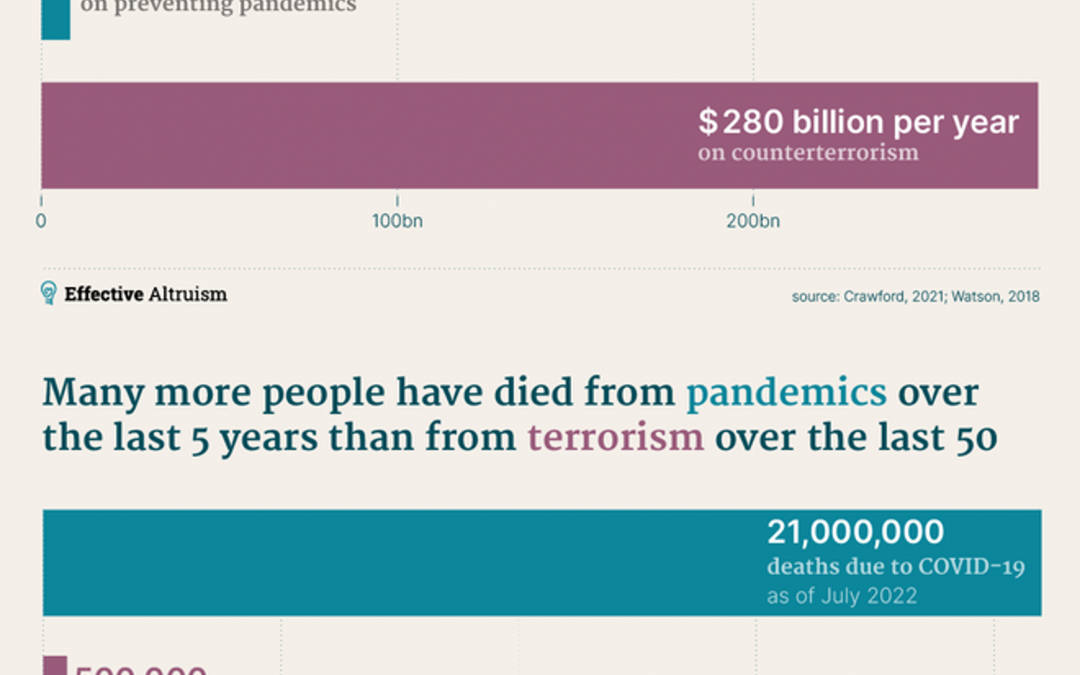
Which charities should receive donations? What types of projects deserve funding? Effective altruism seeks to answer these questions by using rigorous research to determine which types of projects and which specific projects are achieving results.
A number of organizations conduct research on effective altruism – and provide useful guides for both individuals wanting to making charitable contributions as well as for large donors and governments deciding on budget priorities. Here are a few of these organizations.
GiveWell rigorously reviews academic evidence and program data to identify highly cost-effective, evidence-backed programs to support. GiveWell looks for programs that save or improve lives the most per dollar. It produces a small list of top charities to support, each of which is backed by publicly-available research. The current top charities are:
- Medicine to prevent #malaria. it costs about $7 to protect a child from malaria and has an estimated average cost-effectiveness of $4,000 per life saved.
- Bednets to prevent malaria. It costs about $6 to provide one net with at an estimated average cost-effectiveness of $5,500 per life saved.
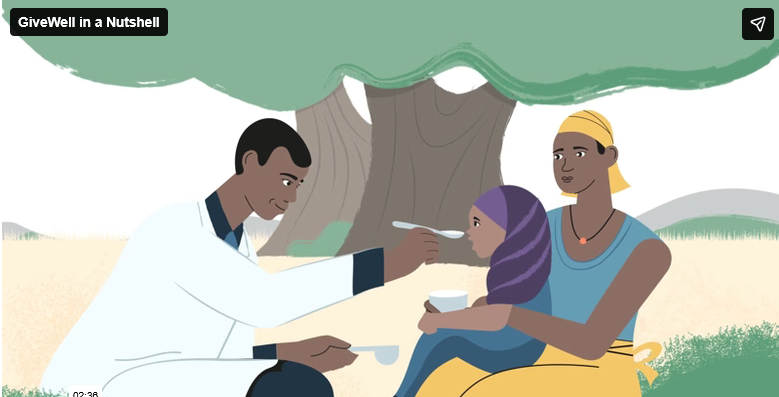
- Vitamin A supplements for children. Vitamin A, along with other micronutrients (vitamins and minerals) is needed by our bodies. It costs about $2 to provide vitamin A supplements to a child for one year with an estimated average cost-effectiveness of $3,500 per life saved.
- Cash incentives for childhood vaccinations. The cash transfers motivate parents to bring their children to be vaccinated. It costs about $146 to vaccinate an infant, with an estimated average cost-effectiveness of $4,500 per life saved.
https://www.givingwhatwecan.org/
Giving What We Can seeks to create a world without extreme #poverty, #animal suffering, and existential risk — a world where everyone can flourish. The organization believes #charity is both underrated and deeply impactful and works to make giving effectively and significantly a cultural norm.
The organization’s recommendations for giving include:
- Global Health & Wellbeing – inexpensive yet underfunded programs in the areas of malaria, vitamin A and vaccinations
- Animal Welfare – animal advocacy and funding to reduce the suffering of billions of farmed animals, including corporate advocacy and alternative protein research
- Global Catastrophic Risks – research and funding to respond to potential hazards to humanity’s future, including pandemics, rogue AI, bioengineering and nuclear threats.
https://www.smartbuysalliance.org/
The Smart Buys Alliance is an international collaboration of state agencies, research centers, philanthropies, and NGOs – promoting the adoption of the world’s most effective development interventions.
Smart Buys Lists categorise development interventions by cost-effectiveness for a specific outcome (e.g., child mortality, learning levels). They show which programs typically deliver the most impact per dollar based on rigorous evidence.
Unlike other research methods, Smart Buys start with the outcome the funder seeks to improve then compare all relevant interventions—grouping them as “Best Buys,” “Good Buys,” etc.
Making funding decisions – whether for a $50 donation or a $500,000 long-term intervention – using evidence-based and impartial research on effectiveness is necessary for better outcomes and better use of dollars. The organizations above and others who do the rigorous research reviews and data analyses provide all of us with the information we need to make more informed and cost-effective choices.